
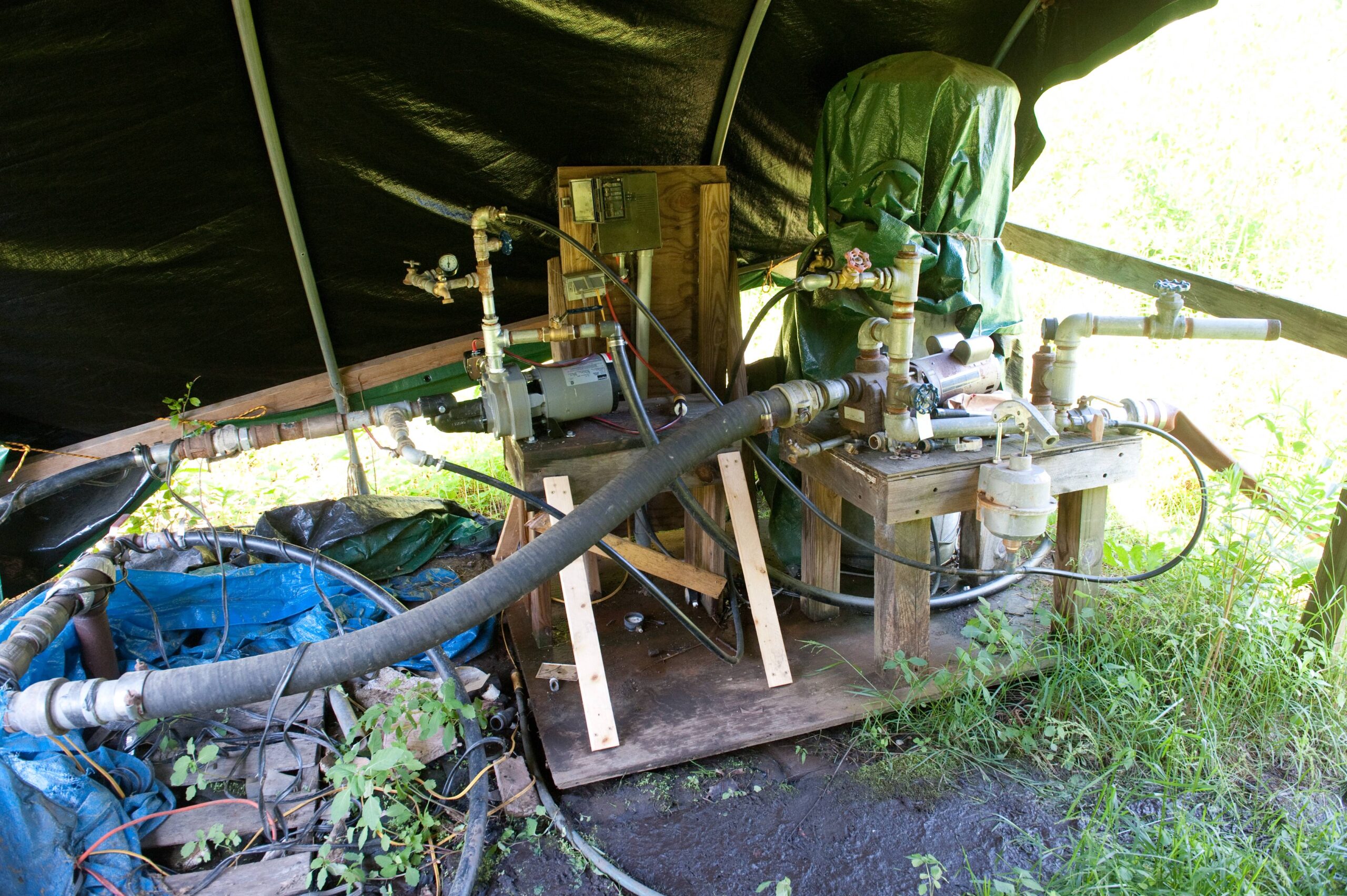
Well Pump Runs but No Water? Causes, Safe Checks & Next Steps
Quick answer: When a well pump motor runs but no water reaches the faucets, the first priorities are to stop possible dry running, determine whether you have a submersible pump or an above-ground jet pump, and look at the pressure gauge without opening electrical controls. A low well water level, broken delivery line, blocked pump, failed valve, or (for a jet pump) lost prime are among the possibilities. The correct fix depends on which system you actually have.
Losing water at home is stressful—especially when the pump seems to be making noise and you cannot tell whether the well is empty or an expensive component has failed. The good news: “the motor is running” does not automatically mean “replace the pump.” You can collect a few observations that make the next decision much clearer without touching live wiring, opening the well cap, or pulling a pump.
- Check whether all faucets are dry or only one fixture.
- Look at the existing pressure gauge and note whether it is near 0 PSI, rising, or normal.
- Identify whether the pump is visible above ground (jet) or sits down the well (submersible).
- Think back: Was there heavy water use, a power outage, a frozen line, or a recent filter change?
- If the motor continues running with no water, stop it safely and arrange diagnosis.
This guide separates the two major well pump types, explains what different gauge readings suggest, and tells you which checks are appropriate for homeowners versus qualified tradespeople.
Helpful diagnostic gear: buy only what the symptoms justify
Before you shop for a new pump, record the readings you already have. An accurate, correctly installed 0–100 PSI water-pressure gauge can be useful on many conventional pressure-tank systems if the existing gauge is damaged or unreadable. Fitting or replacing a pressurized plumbing gauge requires proper system isolation and depressurization; if unsure, have a professional do it.
Disclosure: As an Amazon Associate I earn from qualifying purchases. We have not tested the products in this search. Confirm pressure rating, fitting size, potable-water suitability and compatibility; a new gauge will not restore water to an empty well.
Read these symptoms before spending money
1. No water anywhere, and the gauge stays near 0 PSI
This points toward a system that is not delivering pressure to the tank or to the house. Possible explanations include a failed or dry-running pump, a pump protection device, an empty or low-yield well, a damaged drop pipe, a blocked intake, or a closed/failed valve. The pressure gauge alone cannot distinguish these possibilities.
2. Pressure appears normal at the tank but faucets stay dry
Look for a closed isolation valve, an obstruction, a clogged whole-house sediment filter, a frozen section of plumbing, or a distribution-side issue. If the tank gauge truly remains at normal pressure, focus the service call on the house-side plumbing path rather than immediately ordering a well pump.
3. Water comes back after a long wait, then stops again
This pattern may indicate that pumping demand exceeds the well’s recovery rate. It can also involve a thermal or dry-run protection device. Note the time it takes to recover and what water was being used before the outage; do not repeatedly restart a potentially unwatered pump. A well yield assessment may be appropriate. Penn State Extension explains why low-yield wells can struggle most during peak household demand.
4. You hear humming or buzzing, but the motor does not really turn
A hum is not proof of a running pump. A seized motor, capacitor issue, control-box fault, or inadequate power may be involved. Electrical testing belongs with a qualified electrician or pump technician. Do not remove covers or probe capacitors.
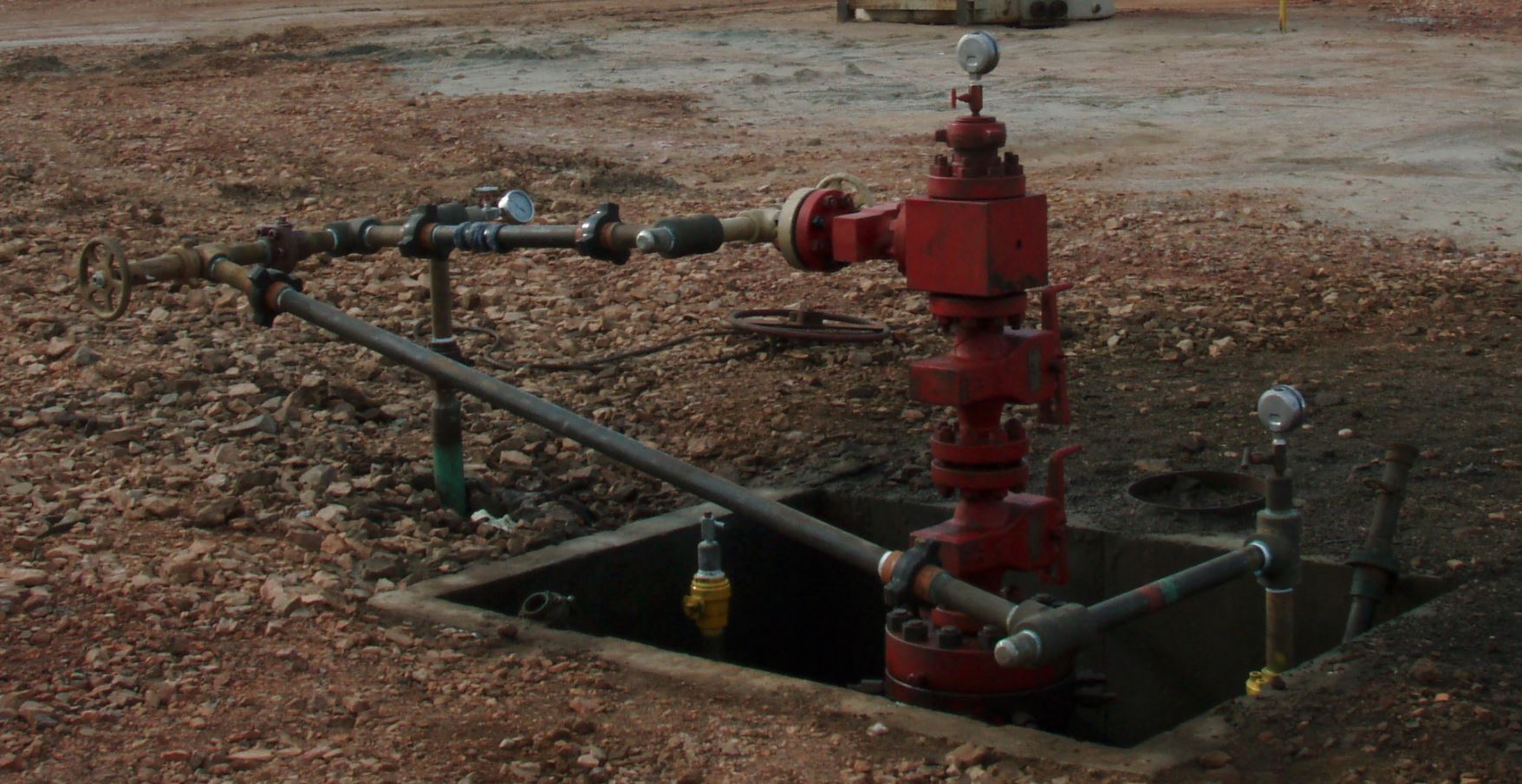
If you have a submersible well pump
A submersible pump is installed underwater inside the well casing. You generally see a well cap and pressure equipment, not the pump motor. Unlike an above-ground jet pump, it does not use a homeowner-accessible priming port. Trying to “prime” the wrong kind of pump is not the fix.
Low water level / insufficient well yield
During drought, sustained irrigation, laundry plus showers, or a change in well performance, the water level may fall below the submersible pump intake. The pump then cannot move enough water to create house pressure. This is more than an inconvenience: adequate surrounding water helps cool the motor. A licensed contractor can assess pumping water level, drawdown, well recovery and whether the pump setting or demand must change.
A split drop pipe or failed underground line
The motor may operate normally while the water escapes through damaged pipework before reaching the tank. Some wells show unusual sounds or water turbulence at the wellhead, but do not open a well cap or inspect energized equipment yourself. The technician may use controlled flow/pressure testing to isolate the failure. A leaking check valve can produce related pressure-loss symptoms, though it is not proof of a cracked drop pipe.
Blocked intake, worn impellers or mechanical damage
Sand, scale and debris can reduce delivery; worn impellers or damaged hydraulic parts can also reduce output. A pump may need to be professionally pulled and examined. Pump removal is expensive, so qualified troubleshooting should usually happen above ground first, an approach emphasized by Franklin Electric’s service literature.
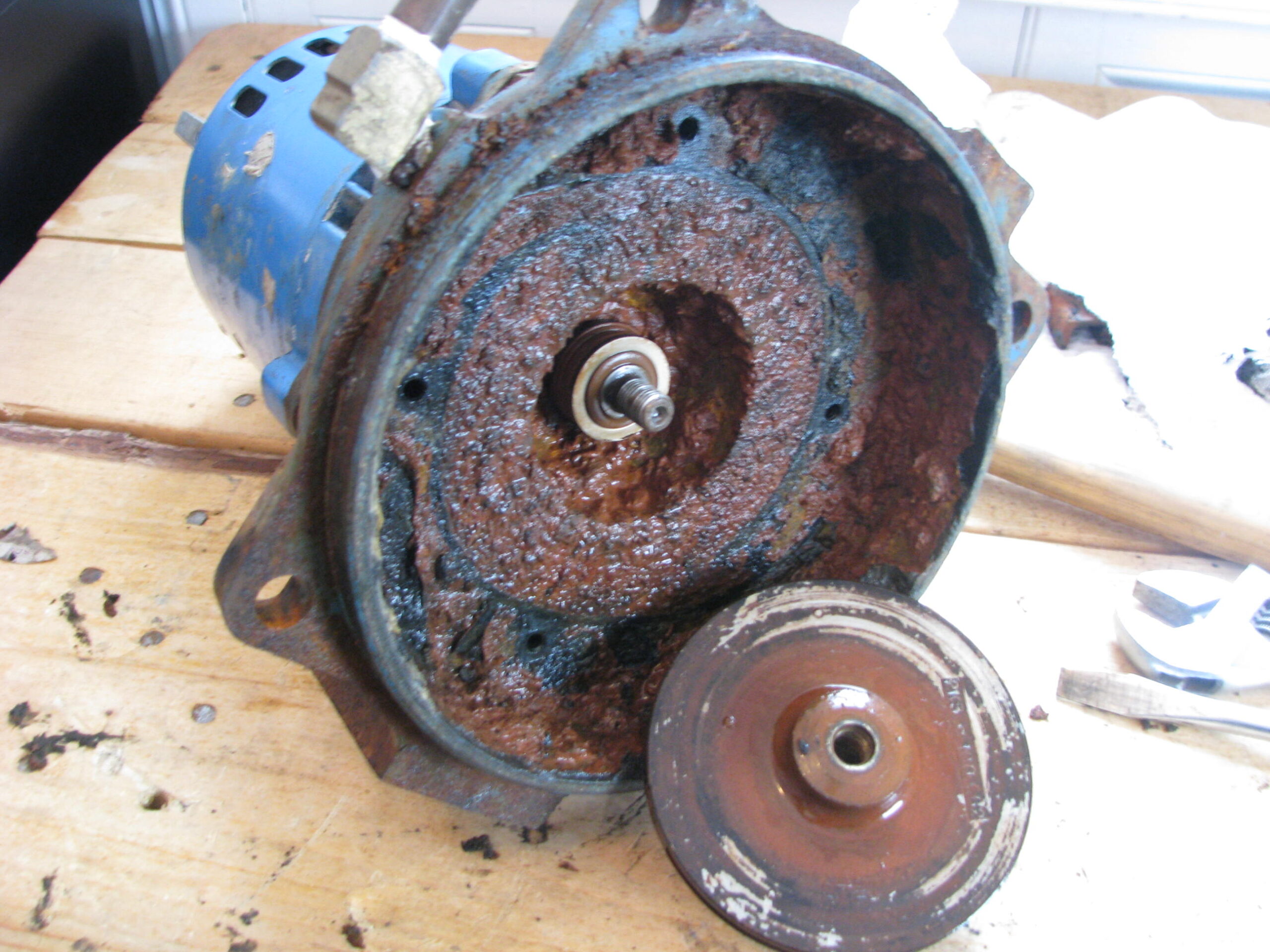
Stuck valve, air lock or faulty protection
Other possibilities include a closed valve, failed check valve, air lock under certain conditions, or pump-protection circuitry preventing normal operation. Manufacturers list different remedies for different pump models. Let the installer work from the actual control and pump manual; do not bypass low-water protection to make the pump run.
If you have an above-ground jet pump
A jet pump usually sits in a basement, pump house or utility area and draws water through suction piping. A major difference is that the suction side must stay primed. If the pump loses prime, it may make noise without moving usable water.
Lost prime
Air in the pump housing or suction line can interrupt pumping. This may follow maintenance, a drain-down, a leaking foot/check valve, or a small suction-side leak that admits air. Some models have priming procedures, but they vary. If the manual permits homeowner priming, follow it exactly with electrical and pressure precautions. Do not run the pump dry while experimenting.
Suction leak or a faulty foot valve
A small air leak may not show visible dripping because the suction side operates below atmospheric pressure. An unreliable foot valve may let water drain back into the well when the pump stops. A professional can inspect the suction path, foot valve, fittings and pump seals.
Water level beyond a shallow-well jet pump’s suction limit
For typical shallow-well suction systems, practical lift is much less than the theoretical atmospheric limit, commonly around 25 feet under favorable conditions. If the water level falls too far, a larger motor alone will not solve the problem. A deep-well jet arrangement or submersible design may be required after the well has been assessed.
A simple observation table for the service call
| What you observe | Possible direction | Safest next move |
|---|---|---|
| 0 PSI, motor continues operating | No pressure delivery; well, pump, pipe or valve fault | Stop suspected dry running; call a pump technician. |
| Normal pressure at tank, no flow indoors | Closed valve, filter, freeze or house piping | Check accessible valve positions and visible filter indicators. |
| Recovers after waiting, fails under high use | Well yield/drawdown or protection cycling | Record usage and recovery; request well-yield assessment. |
| Jet pump runs after plumbing work, no pressure | Lost prime, suction air leak or foot valve | Follow only manufacturer-approved priming steps or call installer. |
| Breaker trips, motor hums or smells hot | Electrical or seized motor issue | Leave system off; use qualified electrical service. |
What a qualified well professional will test
- Confirm pump and control type. They identify the pump, horsepower, phase, control box and protection equipment.
- Observe system pressure and flow safely. Gauge accuracy, tank response and discharge performance narrow the fault.
- Inspect accessible plumbing. Check valves, filters, pressure switch sensing lines and leaks are evaluated as appropriate.
- Perform electrical diagnostics. Qualified personnel test voltage, current, motor/cable condition and control equipment under safe procedures.
- Assess well yield and pumping level. If the well cannot sustain demand, replacing a pump with a larger one can make the problem worse.
- Pull the pump only when justified. A removal should follow diagnostics and a clear reason, not a guess.
What not to do when the house has no water
- Do not leave a possibly dry-running submersible pump operating in the hope that pressure will return.
- Do not open a pressure switch box or control panel to push contacts together. These systems can carry dangerous voltage.
- Do not loosen pipe unions or gauge fittings while the system is energized or pressurized.
- Do not override a dry-run or low-water cutoff device without understanding why it activated.
- Do not order a replacement pump based only on a motor noise. Pump type, head, GPM, voltage, well yield and pipe geometry all matter.
If water returns, is it automatically safe to drink?
Not necessarily. A loss of water pressure or repairs to a private well can create circumstances that warrant sanitary evaluation. If flooding, contamination, repair work or a long service outage may have affected water quality, consult your local health department and a suitable drinking-water laboratory. For everyday filtration questions, start with our well water treatment guide; a sediment filter is not a substitute for testing.
Frequently asked questions
Can a well pump be running when the well is dry?
Yes. A pump can be energized or a motor can operate while water delivery is inadequate. Some systems have low-water protection; others do not. Turn it off if dry running is suspected and have the water level and equipment checked.
Should I reset the breaker if the pump runs but nothing comes out?
Not as a repeated troubleshooting method. A breaker that trips again can signal an electrical fault. Leave the equipment off and arrange qualified diagnosis. Never replace a breaker with a larger one to keep the pump operating.
Is it the pressure tank if I have absolutely no water?
A failed pressure tank can cause rapid cycling, poor pressure stability and pump wear, but no-water conditions have several other explanations. If your system cycles too often, our well pressure tank PSI chart explains the common 30/50 and 40/60 precharge settings. The pressure gauge, control type and observed flow help narrow the issue. See how well pressure tanks work.
Why does my jet pump lose prime overnight?
Possible reasons include a leaking foot valve or check valve, a suction-side air leak or a changed water level. These faults need a pump-specific inspection; don’t assume that adding water fixes the underlying problem.
Is a new, more powerful pump the answer?
Not without sizing. A pump must match the pumping water level, total dynamic head, required GPM and sustainable well yield. An oversized pump can overdraw a low-yielding well. Our well pump selection guide explains the inputs.
What to do next
If your house is dry right now: Note the gauge reading, identify jet versus submersible, switch off suspected dry-running equipment safely and call a qualified well contractor. If water still flows but pressure is poor, check for a whole-house versus single-fixture problem and review our troubleshooting hub. This is the shortest route from uncertainty to a useful service call.
Technical sources and editorial transparency
- Franklin Electric – Submersible Pump Owner’s Manual, troubleshooting section (manufacturer safety and fault list).
- Franklin Electric – 4- and 6-inch Submersible Pumps Owner’s Manual (low yield, output, cycling and electrical issues).
- Penn State Extension – Using Low-Yielding Wells (pump demand versus well yield).
- Amtrol – Well Tank Support (pressure tank symptoms and precharge).
Editorial note: This is a source-based troubleshooting guide, not a report of personal testing of your pump or any products. Conditions vary among wells. Electrical repairs, pump removal and well safety evaluations require qualified local help. Our editorial standards.